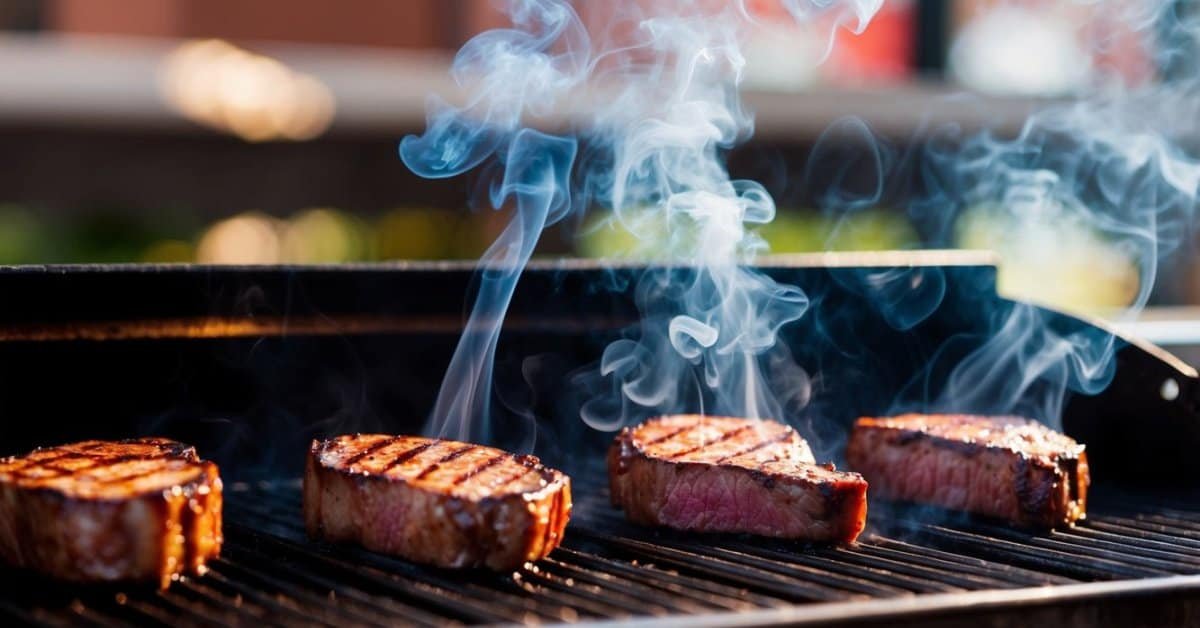
Master the Art of Charcoal Grilling: Say Goodbye to Dry, Disappointing Burgers
There’s a special kind of disappointment that comes with biting into a burger you’ve eagerly anticipated, only to find it dry, tough, and lacking that quintessential juicy burst of flavor. For something as universally loved as the hamburger, perfecting the technique to grill it can feel surprisingly elusive. But fear not, aspiring grill masters! Achieving that succulent, tender burger with a beautifully seared crust on a charcoal grill is entirely within your reach. This comprehensive guide will walk you through every step of
how to grill burgers, specifically focusing on the essential techniques to avoid dryness and ensure a mouth-watering experience every single time. Get ready to elevate your backyard barbecue game!
The Foundation of Flavor: Essential Ingredients and Tools
Before your hands even touch the ground meat, laying the right groundwork is crucial for a spectacular burger. It begins with selecting the best components and having the right equipment at your disposal.
Choosing the Right Beef for Juiciness
The secret to a truly juicy burger starts with the beef itself. While lean ground beef might seem like a healthier option, it's the fat content that delivers moisture and flavor during the grilling process. For unparalleled juiciness, always opt for
80% lean ground beef (often labeled 80/20). This means 80% lean meat and 20% fat. As the fat renders during cooking, it bastes the meat from within, preventing dryness and imparting a rich, satisfying taste. Anything leaner risks a dry, crumbly result. For more on this, check out
Unlock Juicy Burgers: The Right Beef, Patty Prep, and Grill Tools.
Indispensable Grilling Tools
While minimal, the right tools make a world of difference:
- Quality Charcoal Briquets: A reliable charcoal, like Kingsford™ Original, provides consistent heat and that signature smoky flavor.
- Digital Meat Thermometer: This is non-negotiable. It's the only way to accurately ensure your burgers reach a safe internal temperature (160°F or 71°C) without overcooking them into oblivion. Guessing leads to dry burgers!
- Long-Handled Metal Spatula: Sturdy and heat-resistant, it allows for safe flipping without tearing the patty.
- Charcoal Chimney Starter: Speeds up the charcoal lighting process and ensures even ignition.
- Grill Brush: For a clean cooking surface.
Crafting the Perfect Patty: Prep Secrets for Unbeatable Juiciness
How you prepare your patties before they hit the heat significantly impacts their texture and moisture. This stage is where many common mistakes are made, leading to tough, dry burgers.
Gentle Seasoning and Shaping
Begin by gently seasoning your 80/20 ground beef with salt and pepper to taste. Overworking the meat can compact it, resulting in a tough burger. So, mix just enough to incorporate the seasoning.
Next, form the meat into roughly 6-ounce balls. This size is typically between a baseball and a softball. With a light touch, flatten these into patties about ¾-inch thick. The goal is to handle the meat as little as possible to maintain its tender texture.
The Indentation Secret
Here's a pro tip that prevents that frustrating burger "puff": use your thumb or the back of a spoon to create a slight indentation in the center of each patty. This clever trick counters the meat's natural tendency to contract and swell in the middle as it cooks, ensuring your burger remains flat and cooks evenly. A uniformly cooked patty is less likely to have dry edges or a raw center.
Chill Out: Refrigeration is Key
Once formed, refrigerate your patties until you’re ready to grill. Chilling helps the patties hold their shape better on the hot grill and allows the flavors to meld, contributing to a better overall texture.
Mastering the Flames: Building and Managing Your Charcoal Fire
The charcoal grill provides an unmatched smoky flavor, but effective heat management is crucial to avoid burning the outside while leaving the inside raw, or worse, cooking it so slowly it dries out.
Building a Two-Zone Fire
Start by cleaning your grill grates thoroughly. Then, load your charcoal briquets into a chimney starter or mound them in the grill and light them. Wait until the charcoal is fully lit and covered in a gray ash – this indicates optimal heat.
Once ready, arrange the coals using the
Two-Zone Method. This involves pushing all the coals to one side of the grill, leaving the other side empty. This creates a direct heat zone (over the coals) and an indirect heat zone (no coals). This setup is paramount for achieving a perfect sear while maintaining control over the internal temperature, ensuring your burgers stay juicy.
Achieving Medium Heat (Around 400°F)
Place your grate back on the grill and allow it to heat up for about 10-15 minutes. For burgers, you're aiming for medium heat, roughly 400°F (200°C). If you don't have a built-in thermometer, you can gauge the heat by hand: hold your hand about 5 inches above the grate. If you can hold it there comfortably for 4-5 seconds, it's medium heat. Adjust the vents to control oxygen flow and thus, the temperature. More oxygen means hotter coals.
The Art of Grilling: Searing, Flipping, and Finishing Strong
With your patties prepped and your grill blazing, it’s time for the main event. Precision here is key to a juicy outcome.
The Searing Start
Place your chilled patties directly over the hot coals (the direct heat zone). Sear them for 4 to 5 minutes. This intense initial heat creates that desirable brown, crispy crust – known as the Maillard reaction – which locks in juices and develops incredible flavor.
During this crucial stage,
resist the urge to press down on the burgers with your spatula! This common mistake squeezes out all the precious fats and juices that keep your burger moist, condemning it to dryness. Let them cook undisturbed.
Handling Flare-Ups
Flare-ups are common on a charcoal grill due to melting fat dripping onto the coals. Don't panic! Simply move the affected burger(s) to the indirect heat zone until the flames subside, then return them to sear if needed. You can also close the lid for a few seconds to starve the flames of oxygen, but be mindful not to suffocate your fire completely.
The Single Flip Rule
When you see liquid pooling on the uncooked surface of the burgers, it’s a clear sign they’re ready to flip. Using your long-handled metal spatula, flip each burger
only once. This single flip strategy allows for maximum sear development on both sides without over-handling the meat, which can dry it out. Sear the second side for another 3-4 minutes.
Finishing with Precision and a Digital Thermometer
After searing both sides, move the burgers to the indirect heat zone. Cover the grill with the lid and continue cooking. This allows the internal temperature to rise gently without burning the exterior.
This is where your digital meat thermometer becomes your best friend. Insert it into the thickest part of the patty, avoiding any bone if applicable (though not an issue with burgers). Cook until the internal temperature reaches
160°F (71°C) for a perfectly safe and wonderfully juicy burger. There's no need to rest burgers like steaks; they're ready to serve immediately.
Conclusion: Your Path to Perfect, Juicy Charcoal Burgers
Grilling truly delicious, juicy burgers on a charcoal grill isn't about luck; it's about understanding the simple yet powerful techniques that prevent dryness and maximize flavor. From selecting the right fatty ground beef and gently forming your patties with an indentation, to mastering the two-zone fire and using a digital thermometer for precision, every step plays a vital role. By following these guidelines on
how to grill burgers, you’ll consistently produce perfectly seared, incredibly tender, and gloriously juicy burgers that will make you the undisputed grill master of your neighborhood. So fire up that charcoal, grab your spatula, and get ready to enjoy the best burgers you've ever made!